.jpg)
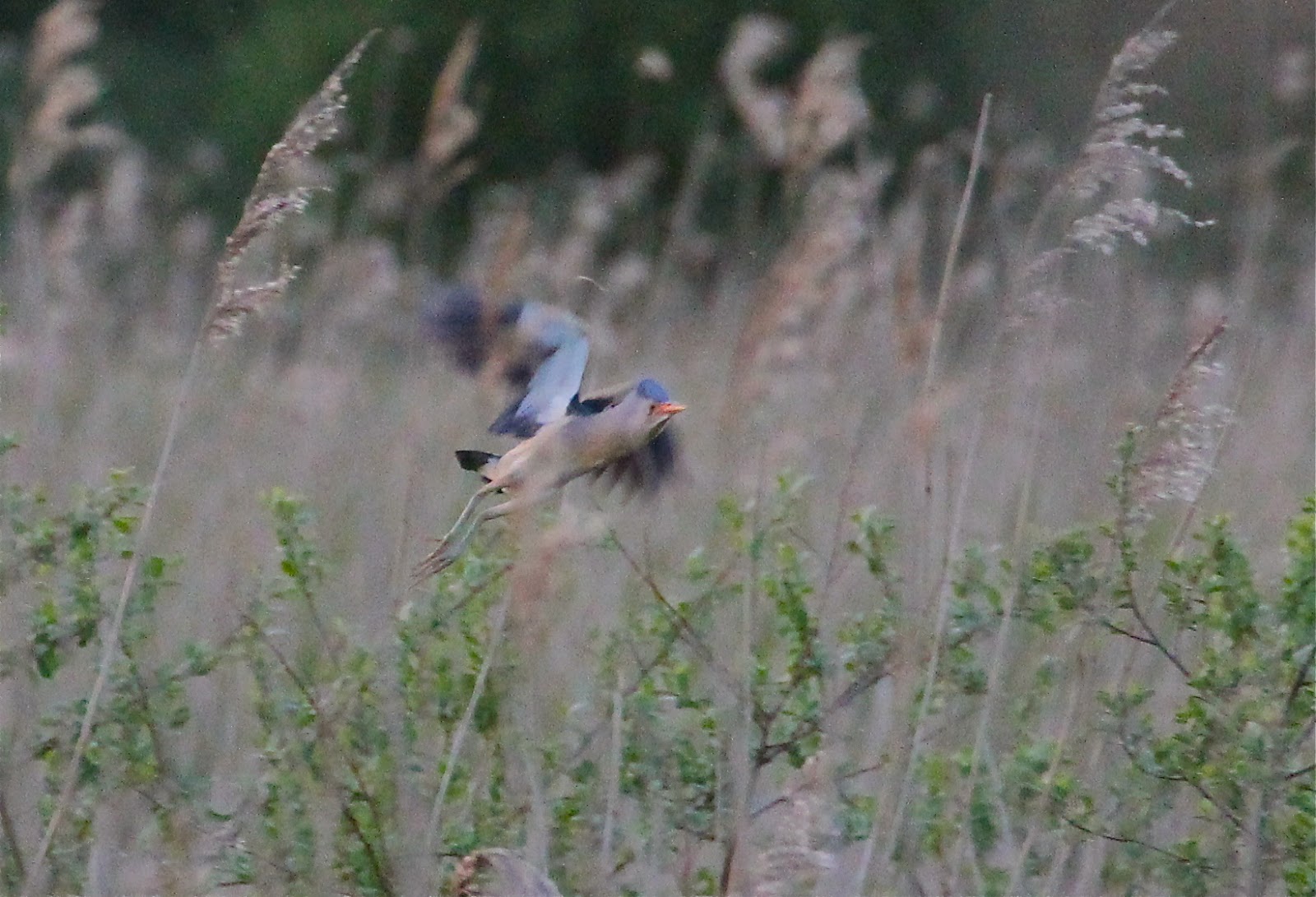
The Dutch name for Little Bittern is
Woudaap, which in direct translation means Forest Monkey. Last weeks work involved a great deal of
nimble movement through reedbed ‘forests’, culminating in the Somerset Forest
Monkeys revealing some of their secrets.
We started with a good deal of
thrashing about in the reedbeds at Minsmere.
Thinking about climate change, the impact of too many Red Deer, and natural
succession in an ageing reedbed. How are
we going to manage this site over the next 25 years? Nothing beats getting into the habitat and
experiencing it close-up to understand what needs to be done.
Then on to Snape, where new wetlands
are being created. A bit of
electro-fishing to understand how the fish populations are developing, then a
look at the area currently being created to add a few tweaks to the design;
imagining yourself in a metre of water surrounded by reeds and thinking what
features would attract a feeding Bittern or a Great White Egret.
Then down to Ham Wall, where after a
summer of meticulous recording by a superb group of volunteers and local
birders, we soon homed in on the Little Bittern nesting and feeding sites. Water depths, edge profiles, reed
characteristics were all recorded and some electro-fishing revealed the secrets
of the Forest Monkeys favoured feeding areas. Such details will be invaluable in creating
similar habitat elsewhere.
One interesting fish caught in some
numbers at Ham Wall was the Moderlieshen or Sunbleak Leucaspius delineatus, a non-native species that has a highly
developed life history strategy. The
majority of cyprinid fish species take 2-4 years to become sexually mature and
spawn just once a year. The females scatter many thousands of eggs over aquatic
macrophytes or gravel,and these are then left unguarded and vulnerable to
predation. Unusually for cyprinids, the
Moderlieshen become sexually mature at one year old and are batch spawners, with
females laying several batches of eggs, between April and July, which are
guarded by the males until they hatch. They were first recorded in the Somerset
Levels around 1990, their origin unknown but likely to have arrived via some
fish stocking by anglers.
Photos above - Moderlieshen, Little Bittern nest.